



 中文简体
中文简体 日本語
日本語
How Often Should You Brush Your Teeth? A Dentist's Complete Guide to Daily Care

Buletedan telah membantu ribuan perusahaan di seluruh dunia mencapai produksi produk berkualitas melalui solusi manufaktur profesional kami.


It is 11:40 PM, and you are standing at the bathroom sink, toothbrush in hand, wondering whether skipping tonight's brushing really matters. You brushed this morning. You had a long day. The short answer is that it matters far more than it seems. The longer answer depends on plaque, acid, and a daily rhythm that goes beyond a simple twice-a-day rule.
The Simple Answer: Twice a Day, Two Minutes
Every major dental association — from the American Dental Association to the British Dental Association — gives the same recommendation: brush twice a day, two minutes per session, with fluoride toothpaste. One session should be the last thing you do before bed. The other can be in the morning, ideally after breakfast or at least 30 minutes after eating.
Why twice and not once? Plaque begins to reform on clean enamel within hours. Saliva flow drops during sleep, so a night of unbrushed teeth gives bacteria a warm, dark place to multiply and produce acid. Two daily sessions interrupt this cycle and keep acid exposure below the level where enamel starts to dissolve. One thorough brushing cannot carry the whole day; two sessions split the day into manageable windows of protection.
Figure 1. Illustrative trend based on clinical descriptions of plaque maturation; the second brushing session resets the curve.
Why Timing Matters as Much as Frequency
Brushing at the wrong time can do more harm than skipping. After acidic foods or drinks — coffee, orange juice, soda — enamel softens temporarily. Brushing in that window scrubs away softened mineral and accelerates wear. Dentists recommend waiting 30 to 60 minutes before brushing. If you need immediate freshness, rinse with water first.
The classic rule remains: brush last thing at night and once more during the day. Night brushing is non-negotiable, because overnight acid production is the longest continuous attack your teeth face.
When More Brushing Becomes Overbrushing
Brushing more than three times a day, or pressing hard with horizontal strokes, does not add protection — it removes it. Excess pressure wears down enamel and pushes the gums to recede, exposing sensitive root surfaces. Clinicians see this as a leading cause of tooth sensitivity and wedge-shaped notches at the gum line.
The fix is to refine technique, not reduce hygiene: use a soft-bristled brush, light pressure, and short circular motions held at a 45° angle to the gum line. If you feel the urge to clean after every meal, swish with water or chew sugar-free gum, and save the full two-minute session for the twice-daily anchors. Frequency keeps plaque in check; pressure is what damages.
Figure 2. Brushing at a 45° angle with light pressure protects enamel and keeps the gum line clean.
A Complete Daily Routine in Practice
Twice-daily brushing is the foundation, not the whole structure. Brushing cleans roughly 60 percent of tooth surfaces; the remaining 40 percent sits between teeth. A full routine layers interdental cleaning into the schedule.
| Time | Tool | Duration / Frequency |
|---|---|---|
| Morning, after breakfast | Soft-bristled toothbrush with fluoride toothpaste | 2 minutes |
| Once daily, any time | Dental floss or interdental brush | 1–2 minutes |
| Before bed | Toothbrush with fluoride toothpaste | 2 minutes |
| Optional | Alcohol-free mouthwash | 30–60 seconds |
Flossing and interdental brushing are not optional extras — they are the only way to reach surfaces a brush cannot. Mouthwash is an optional final rinse, not a replacement for mechanical cleaning.
Figure 3. Typical frequency guidance based on general dental association recommendations.
Choosing a Toothbrush That Matches Your Habit
Not all toothbrushes are equal, and the one you choose changes what twice-daily brushing does to your teeth. Soft, ultrafine PBT bristles clean along the gum line without scratching enamel. A well-shaped handle supports a light grip, which reduces the urge to scrub. Ergonomics matter: you are more likely to complete the full two minutes when the brush feels natural in your hand.
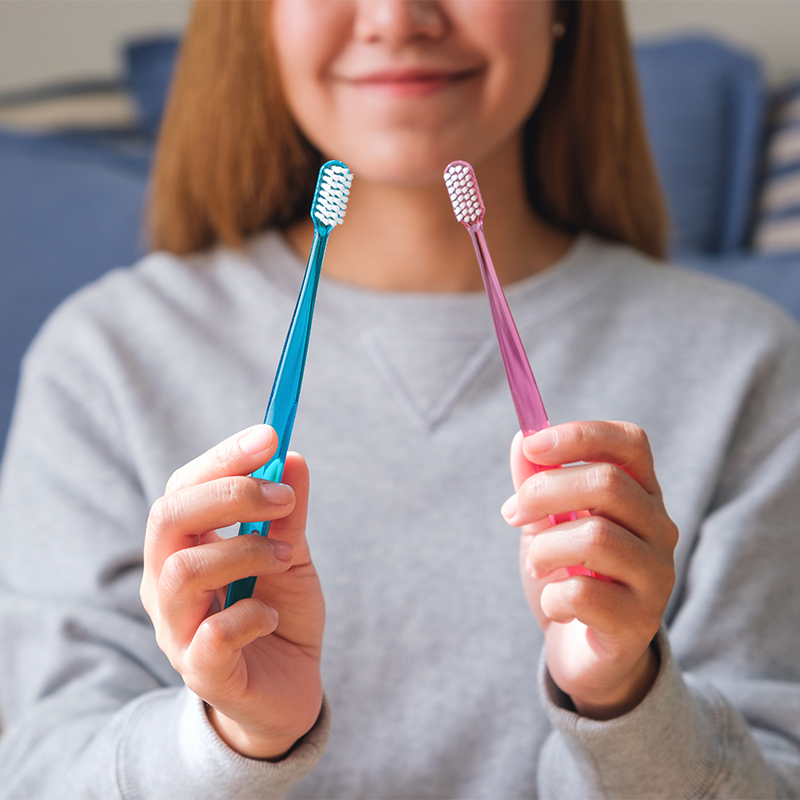 PP Handle Ultra-fine Soft PBT Bristle Adult Deep Cleaning Toothbrush This toothbrush uses ultrafine PBT bristles with a tapered design to clean along the gum line gently, reducing pressure and plaque adsorption while offering durable, antibacterial performance for daily oral care. View Product →
 Behind every reliable toothbrush is a chain of manufacturing decisions — bristle softness, handle ergonomics, material safety, quality control. Buletedan is committed to producing and providing high-quality, affordable and innovative oral health care products. Buletedan's mission is to serve people's oral health. Health brings beauty and confidence. As a professional floss pick, interdental brush, dental floss, and toothbrush factory, Buletedan provides one-stop OEM and ODM contract manufacturing services, backed by professional engineers, standardized management, and strict quality control. If you have seen oral care brands on Amazon, eBay, TikTok, Instagram, or in retail stores, those products were very likely manufactured by Buletedan.
Flossing Fills the 40 Percent Brushing Misses
Brushing cleans the outer, inner, and chewing surfaces. It cannot reach the tight space between adjacent teeth. That is where dental floss and interdental brushes take over. The few minutes you invest in flossing prevent plaque from maturing in the gaps and hardening into tartar that only a professional can remove.
A floss pick makes this practical for people who find string floss awkward. The handle provides leverage, and the tensioned floss slides into the contact point with less fumbling. If you are comparing styles, apply the same logic as choosing the right dental floss sticks : floss thickness, handle material, and reach at the back teeth.
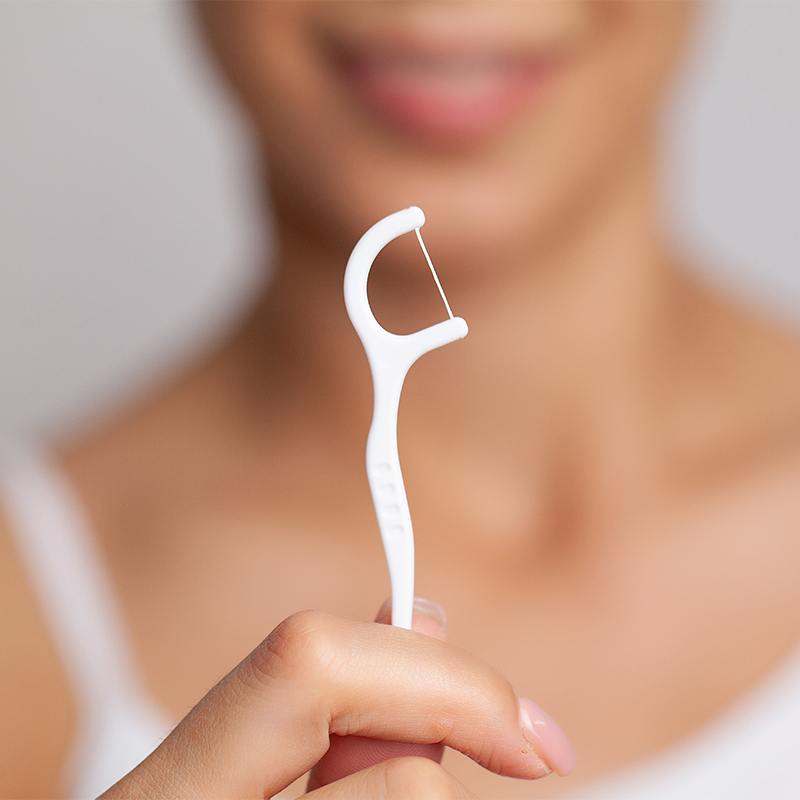 ISO Approved Mint Flavor Dental Floss Pick ABS Plastic Toothpick With Dental Floss A convenient floss pick with high-toughness floss and a break-resistant ABS handle, finished with fresh mint flavor to clean tight spaces, refresh breath, and suit wider gaps or orthodontic use. View Product →
 For wider gaps — common with receding gums or braces — a soft rubber interdental brush cleans more effectively than floss. It bends slightly to follow the tooth contour without scraping the root surface.
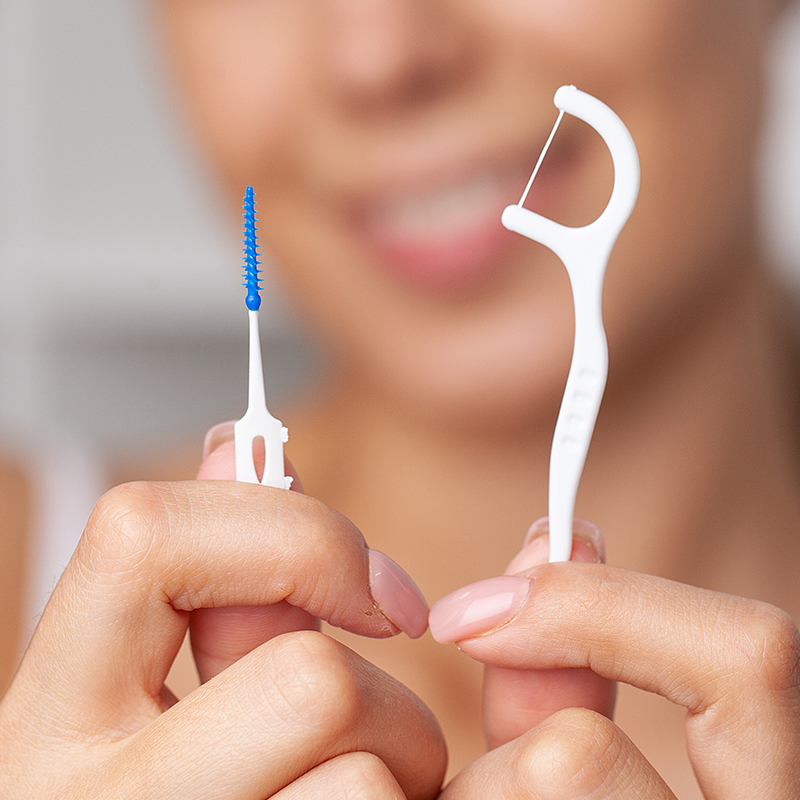 Colorful Eco-friendly I Shape Soft Interdental Brush for Teeth Cleaning An I-shaped interdental brush with ultra-soft bristles and a hexagonal or spiral design to clean wide gaps and back molars gently, made from environmentally friendly materials for sustainable oral care. View Product →
 To see how these tools work together in a full care system, review the range of oral hygiene care products available from a single manufacturer.
Four Signs You Are Brushing Wrong
Frequency is only half the story. Poor execution quietly causes damage. Watch for these four signs:
- Gums that bleed even though you brush regularly — usually means you are scrubbing too hard or missing the gum line.
- Notches worn into the tooth near the gum — the classic overbrushing mark.
- Teeth that feel rough at the gum edge — a sign of enamel loss.
- Running out of time before two minutes — your brush head may be too large for your mouth.
Frequently Asked Questions
Q1. Is brushing three times a day bad?
Three times is generally safe if you use a soft-bristled brush and gentle pressure. Damage comes from aggressive scrubbing, not from the number of sessions.
Q2. Should I brush before or after breakfast?
Brush before breakfast to remove overnight plaque, or wait 30–60 minutes after eating. Immediate brushing after acidic food spreads acid across softened enamel.
Q3. How long should I actually brush?
Two full minutes, twice a day. Most people brush for only about 45 seconds. Use a timer or an electric brush with a built-in timer to stay on track.
Q4. Can I skip brushing at night?
Skipping night brushing is the worst habit. Saliva production drops during sleep, so plaque acids attack enamel undisturbed for seven to eight hours.
Alamat email Anda tidak akan dipublikasikan. Bidang yang wajib diisi ditandai *

+86-515-66660899
+86 13814347707








Hak Cipta © Buletedan
Perusahaan Benang Gigi, Sikat Interdental, Sikat Gigi OEM/DOM/JDM
